The Importance of Early Orthodontic Assessments for Children
Why Parents in Overland Park Are Booking Orthodontic Assessments Before Their Kids Lose All Their Baby Teeth
Waiting until the last baby tooth falls out is one of the most common orthodontic mistakes parents make, and by age 7, the American Association of Orthodontists already wants an orthodontist looking at your child's jaw. That specific age isn't arbitrary. It's when the first permanent molars are settling into place and an orthodontist can actually see where things are heading, while the bones are still easy to guide.
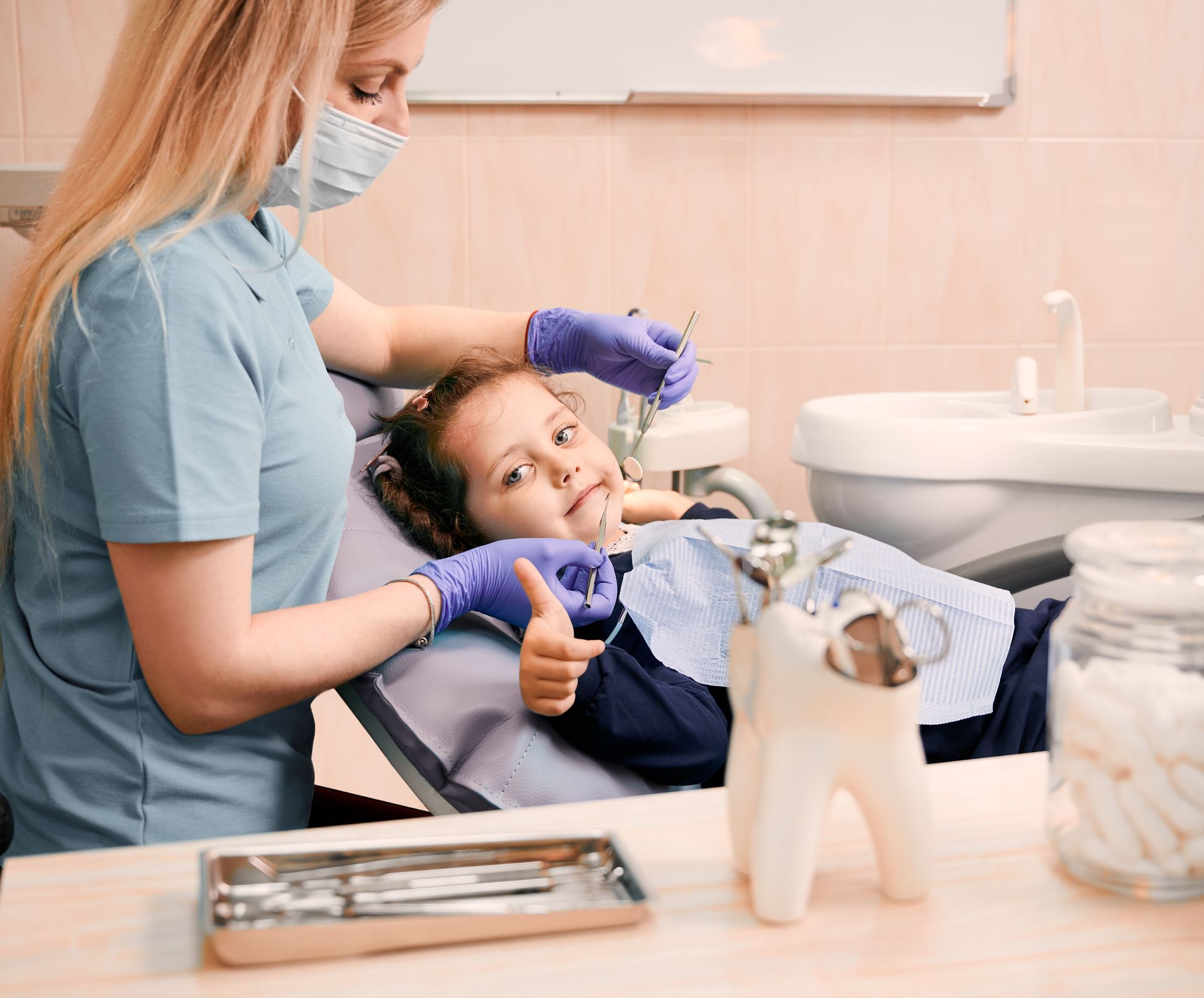
An early orthodontic assessment isn't a commitment to braces or appliances. It's a diagnostic visit, closer in feel to a checkup than a procedure, where an orthodontist looks at how your child's jaw is growing, how their bite is developing, and whether anything needs attention before that window closes. The American Association of Orthodontists recommends this evaluation by age 7 specifically because that mix of baby and permanent teeth gives the clearest picture of what's coming.
Here's something most parents find reassuring: the majority of children who come in for an early assessment leave with a monitoring plan, not a treatment plan. Plenty of visits end with "things look good, let's check in again next year."
For families in Overland Park and across the Kansas City metro, Sweet Tooth Pediatric Dentistry and Orthodontics offers these evaluations in the same practice where your child already gets their dental care. The orthodontist and pediatric dental team are looking at the same kid, with the same history, at the same time, which makes a real difference.

Why Age 7 Is the Benchmark, and What That Actually Means
Around age 7, something specific is happening in your child's mouth: the first permanent molars are moving into position, and the front teeth are starting to establish how the upper and lower jaws meet. That combination of baby teeth still present and permanent teeth actively erupting gives an orthodontist a genuinely useful diagnostic picture. There's enough structure to evaluate, but the jaw bones are still growing and responsive, so it's neither too early nor too late.
The American Association of Orthodontists recommends a first orthodontic evaluation by age 7 precisely because of this window. At that stage, an orthodontist can identify crowding, spacing irregularities, jaw asymmetry, and bite problems like crossbites or overbites while there's still an opportunity to guide development rather than correct damage after the fact.
This doesn't mean treatment starts at age 7. The large majority of children who come in for an early assessment at Sweet Tooth leave without any active treatment plan, placed in a monitoring program with periodic check-ins so the team can watch how things develop and step in at exactly the right moment.
The assessment is about opening the file while the window is still open, not starting the clock on braces.
What an Early Orthodontic Assessment at Sweet Tooth Actually Covers
A standalone orthodontic office sees your child for the first time with no prior X-rays, no growth history, no record of how their teeth have developed over the years. At Sweet Tooth, the orthodontic evaluation builds on records that are often already in place, because pediatric dentistry and orthodontics share the same roof and the same team.
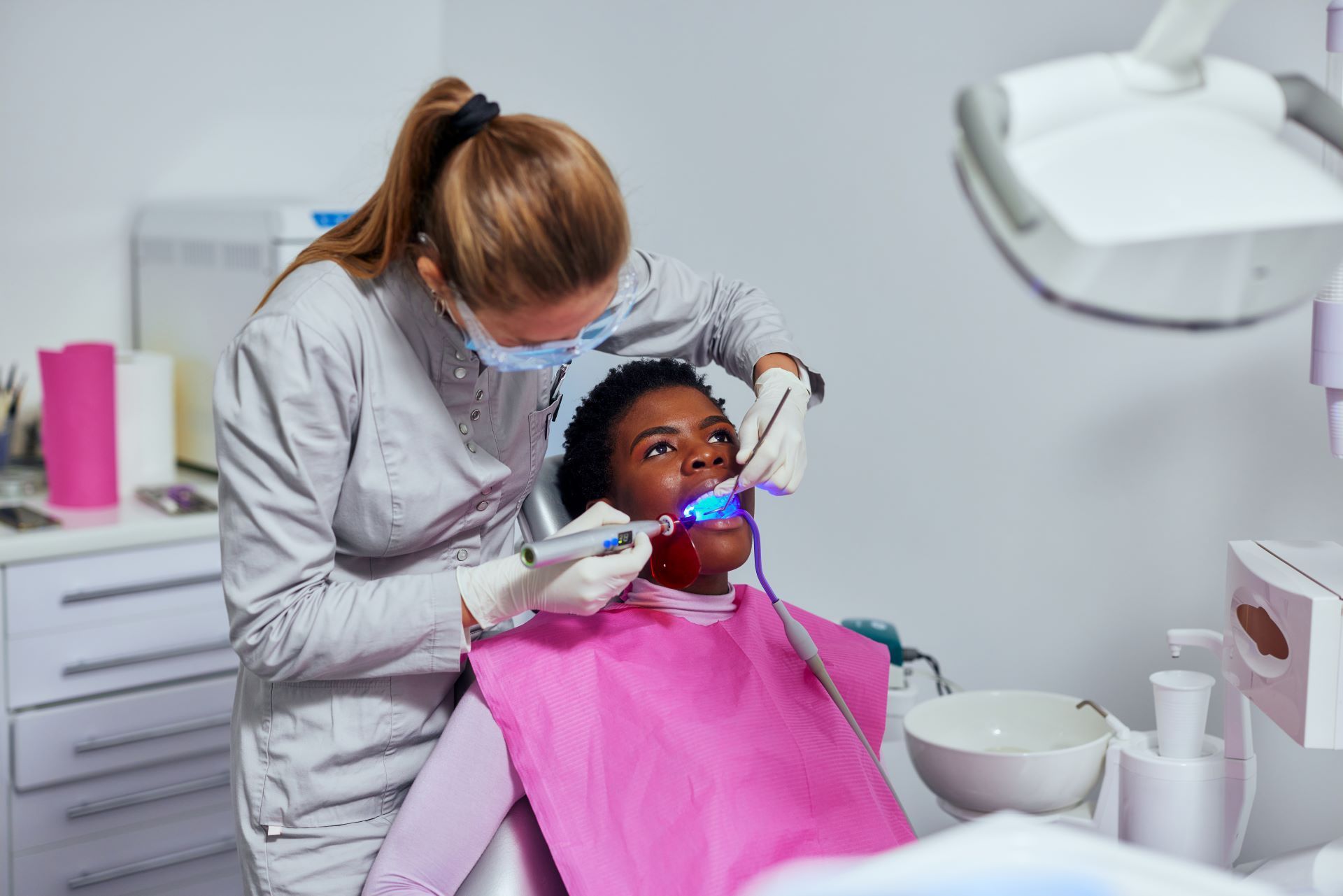
That head start matters clinically. The orthodontist reviews your child's jaw development, the relationship between upper and lower teeth, how much space is available for incoming permanent teeth, and any bite concerns such as crossbite, open bite, overbite, or underbite. Orthodontic X-rays and, where the situation calls for it, 3D CBCT imaging give the team a clear picture of tooth position and root development that a surface exam alone can't provide.
Reviews consistently note that "the clinic is well-organized and the appointment was on time," and that matters here because a thorough assessment shouldn't end with a rushed handout and a callback. You leave with direct answers to five specific questions:
- Is there a problem worth addressing now?
- What exactly is it?
- What are the treatment options?
- How long would treatment realistically take?
- What are the risks of waiting?
Those five answers are the concrete takeaway from every assessment visit, and you'll have them before you walk out.
Signs Your Child May Benefit From an Earlier Look
Parents often notice something before anyone puts a name to it: a jaw that seems to click, a cluster of teeth that look more crowded than they should, a habit that's gone on longer than expected. Trust that instinct. The list below gives you concrete things to watch for between appointments.
Tooth timing issues:
- Baby teeth lost before age 5 or still present past age 13 can signal crowding or spacing worth a closer look
- Teeth that come in rotated, gapped, or visibly out of line
Functional signs:
- Mouth breathing during the day or snoring at night
- A jaw that clicks, shifts, or feels stiff when your child opens and closes their mouth
- Difficulty chewing certain foods consistently
Habit and bite concerns:
- Thumb sucking or pacifier use past age 3 can gradually reshape the palate and push front teeth forward
- Upper and lower front teeth that don't touch when biting down (an open bite)
None of these are emergencies, but they're all worth mentioning at your child's next visit. At Sweet Tooth, the
pediatric dentists handling routine cleanings and exams are already watching for these patterns. If they spot a concern, they flag it and coordinate directly with the orthodontic team in the same practice, so you don't have to track down a separate provider or start the conversation over from scratch.
Phase 1 vs. Monitoring: Not Every Child Needs Immediate Treatment
Plenty of children who come in for an early orthodontic assessment leave without starting any treatment, and that's a good outcome. The evaluation exists precisely to tell you which category your child falls into.
Phase 1 treatment is short and problem-specific, typically 6 to 12 months, targeting one meaningful issue while the jaw is still actively growing. A palatal expander is a common Phase 1 appliance: it gradually widens a narrow upper jaw to create room for incoming permanent teeth, which can reduce or eliminate the need for extractions later. That kind of correction only works within a certain developmental window. Once the jaw finishes growing, the same problem requires a very different and usually more involved solution.
One thing worth saying plainly: Phase 1 treatment doesn't guarantee your child will skip braces or aligners later. Many children complete Phase 1 and still move into Phase 2 once all their permanent teeth are in. The goal of Phase 1 is to reduce the complexity of Phase 2, and parents deserve to know that before treatment starts. At Sweet Tooth, that's part of the conversation from the beginning.
Children who don't need Phase 1 are placed in a structured monitoring program. The team schedules check-ins at clinically appropriate intervals and initiates treatment only when the timing supports it. That schedule is deliberate, not passive, and it's a real clinical plan with a purpose.
For a first orthodontic evaluation, trust matters more than convenience. You want a team that already knows your child, takes time to explain what they're seeing, and doesn't make a seven-year-old feel rushed through an appointment.
Sweet Tooth is locally owned and sees families across
Overland Park,
Shawnee,
Olathe,
Lee's Summit,
Blue Springs, and several other Kansas City metro locations. That geographic reach has a practical upside: if your schedule shifts or you move within the metro, your child's records stay with the same practice.
The combined pediatric dentistry and orthodontics model is a structural advantage worth understanding. When Dr. Mann reviews your child's bite development, he's working with a full dental history, not starting from scratch the way a standalone ortho office would at a first visit. Tooth eruption patterns, past X-rays, concerns a previous pediatric dentist flagged, all of that context informs what he's looking at.
Parents who've brought anxious kids to
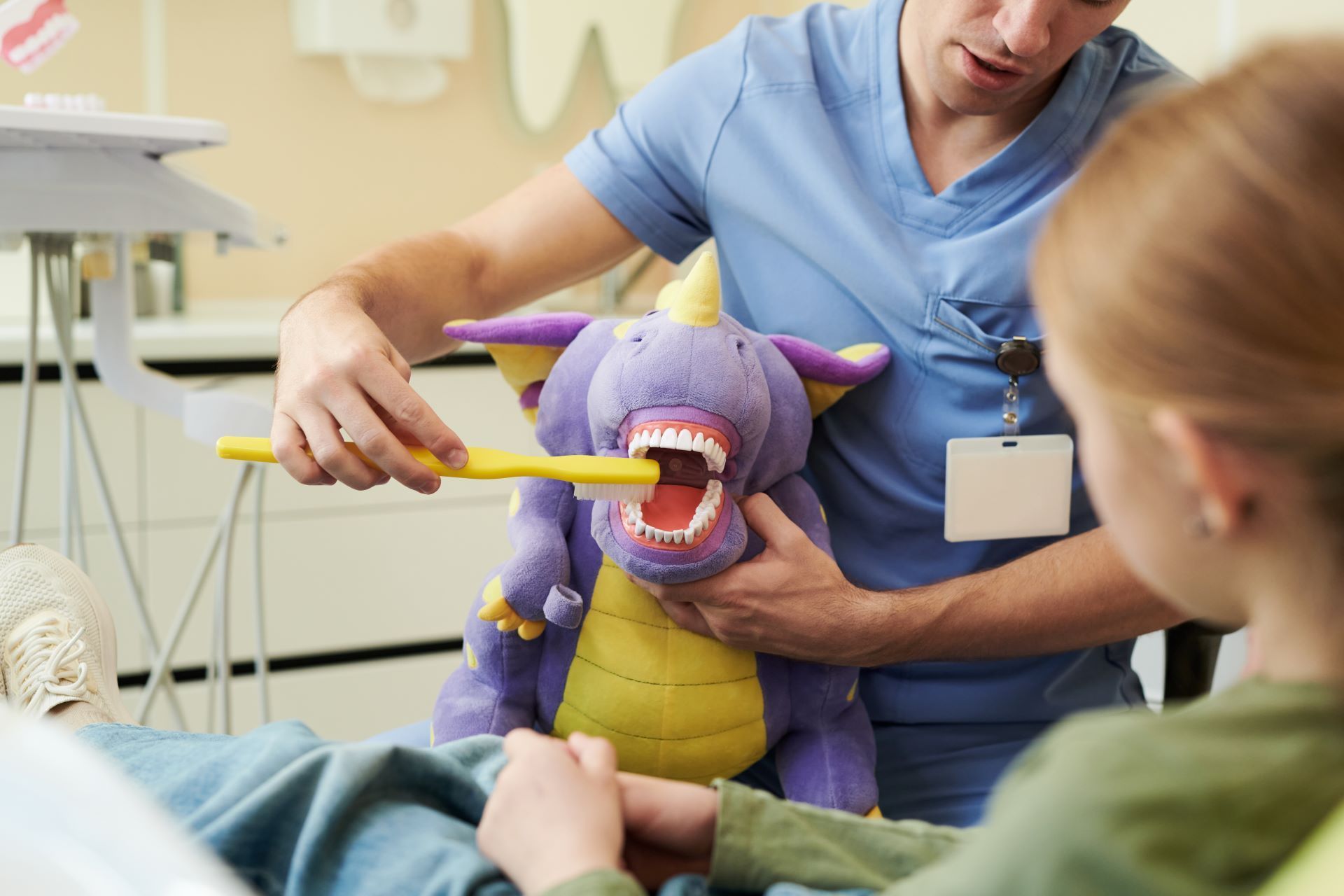
Sweet Tooth consistently describe the staff as attentive and willing to answer every question. One Overland Park parent put it plainly: "This place is so fun for kids." The environment is designed to lower the stress of a visit that can otherwise feel intimidating for younger children, and that's a deliberate part of how the practice is run.
Contact us today to schedule an orthodontic consultation!
Quick Links
Schedule Appointment
Book your appointment at one of our Sweet Tooth locations today.
First Time Visit?
There is no need to fear, Sweet Tooth is here! Let us help you ease the worry that can come with visiting the dentist for the first time.
Why Parents Trust Sweet Tooth
Personalized Attention
Experience personalized attention for you and your child from our doctors with each visit.
An Open-Door Policy
We welcome parents in treatment areas to help your child feel comfortable.
Our Super Sweet Team
Our friendly team keeps visits smooth and always makes time to answer your questions.
We Speak English & Spanish
Se habla Español! We can communicate with our patients in both English and Spanish.
Recent Posts